
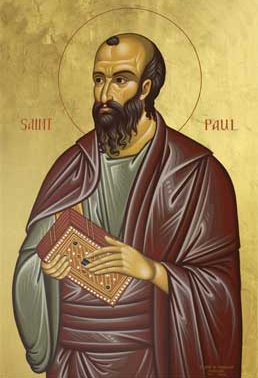
Preferring Paul to Jesus
Only foolish people think only foolish people have heroes. We all look to role models for guidance and inspiration and this is certainly so for theological educators.
We may look for models in those who taught us, or those we have read about in history, but who in the bible are the most useful for us? The contention of this post is that, although Jesus is, of course, our great example and inspiration for the Christian life, the apostle Paul is of more use to us in our job.
At first sight, this may appear strange. Did not Jesus bring together a class of future leaders of the church, teaching and training them for a three year course? Can we not emulate his pattern? We can, very usefully, in certain ways. Of course, both Paul’s and Jesus’ examples need to be handled carefully because of the cultural distance, but there are good reasons for looking especially to Paul.
Firstly, Jesus trained the twelve to be his own disciples. We must never do that. We, like Paul must train our students to be the disciples of someone else. This is a trap people have fallen into in the past in church and college.
Secondly, Jesus was not touched by sin, failure or culpable weakness. Our own weaknesses, failures and sins are a part of teaching our students. They need to know from us how to get up again after failure; how to obtain forgiveness and carry on; how to be spiritually weak yet useful. We can see this in Paul (indeed, Paul used his sin and weaknesses in his teaching), but not in the perfection of Jesus. Again, we easily fall into the trap of presenting a wonderful, successful front to our students which is false to us and not helpful to them.
Thirdly, Paul was a product of some of the best academic training of the day and his teaching reflects that. He models to us the work of a teacher-minister with a background in the schools. OK, Jesus knew better, but we feel a kinship as Paul struggled to both use and be suspicious of his academic background.
Fourthly, Paul wrote widely on his concept of ministry. He uses pictures of clay vessels, models such as farmer, mother, father, and great declarations – such as the seminal statement in 1 Thessalonians 2, where he says that he did not only share the Word with them but his very life also. He develops an understanding of the gift and role of “teacher”.
Paul will never supplant Jesus in our hearts, in our desire for an example as to how to live to please God. We are not grateful to Paul for our glorious salvation.
But Paul is worth a good long look as the best role model for our job of being a theological educator.

 Teaching Theology